Cirrus SR22 Maximum Demonstrated Crosswind Limits
Aircraft Details
The platform is the pinnacle of modern piston ga aviation, but its advanced design requires specific attention during a challenging arrival sequence.
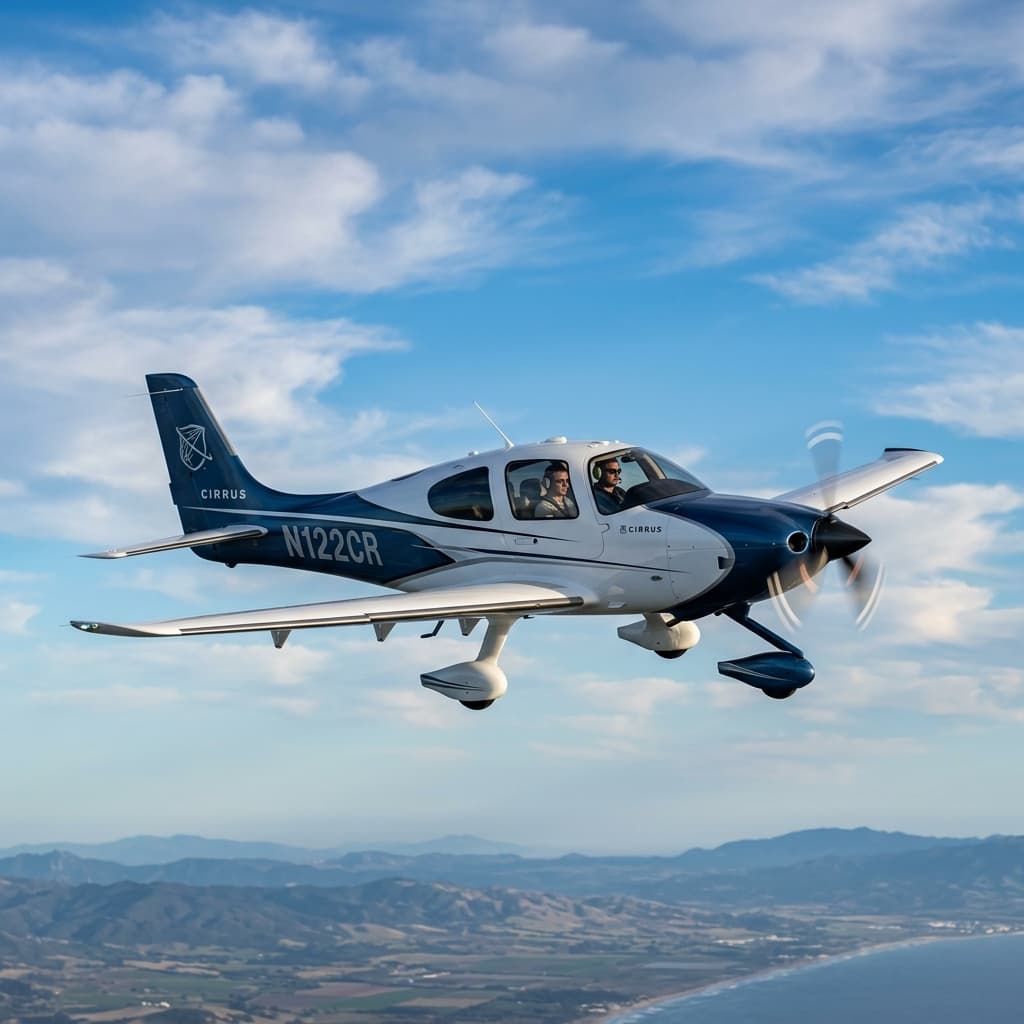
Aerodynamic Thresholds of the Platform
For any aviator operating high-performance cirrus airplanes, understanding the lateral boundaries of the airplane is critical for safety. The platform is known for its speed and technology, but when it comes to the runway environment, the physics of air movement remain a constant challenge. The demonstrated crosswind for this platform is officially 20 units.
This twenty-unit value represents the proven lateral capacity achieved by factory test aviators during certification. It is important to note that this is a max demonstrated value, not a regulatory limit for non-commercial flight. However, treating it as a hard threshold is a hallmark of professional decision-making in any airplane. When the lateral force at the airbase exceeds 10 knots, the complexity of the final approach begins to increase.
In a high-performance piston platform, the combination of high wing loading and a castering nose wheel makes the touchdown phase particularly sensitive to side loads. If you don't maintain the runway centerline with precision, the nosewheel assembly can be subjected to damaging stresses.
The Crab vs. Wing Low Method
Mastering the arrival sequence involves two primary strategies: the crab method and the wing low technique. During the final approach, most aviators prefer to crab into the breeze to maintain the desired ground track. This allows the airplane to fly a steady path without constant effort to the rudder.
However, as the airplane approaches the runway for touchdown, the crab must be transitioned to a sideslip configuration. This transition requires lowering the upwind wing with lateral deflection while applying opposite rudder to align the longitudinal axis with the pavement. This ensures the airplane does not drift and that the wheels are pointing straight down the asphalt at the moment of contact.
In this platform, the roll and directional controls are interconnected via a spring system to simplify normal flight, but this system can be felt during aggressive lateral corrections. Maintaining the minimum drift is essential to prevent a nose wheel shimmy or a more serious loss of control during the rollout.
Dynamics of the Composite Airframe
The unique construction of the cirrus allows for an exceptionally smooth exterior, which reduces drag but also affects how the airplane reacts to crosswinds. Unlike traditional metal structures, the composite skin does not have rivets or lap joints that create boundary layer turbulence. This means the airplane is very clean aerodynamically, which requires the aviator to be even more precise with their final approach speeds.
If you carry even five units of extra velocity into the flare, the airplane will float significantly. During this float, a sudden gust can easily displace the airplane from the center of the runway. Therefore, energy management is a vital part of a successful crosswind landing in this machine. You must balance the need for a safety buffer against the risk of an extended float that exposes the airplane to lateral instability.
Furthermore, the stall characteristics are very well-behaved due to the cuffed wing design. The outer portion of the wing remains flying even when the inner portion has stalled, which maintains aileron authority through the touchdown. This provides the aviator with continued control even at low speeds.
Handling Atmospheric Turbulence
When the air is gusty, the aviator must be prepared for sudden changes in the crosswind component. A sudden gust can rapidly change the stall speed or cause the airplane to lift off the runway prematurely during the flare. To compensate, it is standard practice to add a portion of the surge factor to the velocity.
For these high-performance machines, maintaining a stable path is the best defense against lateral forces. If the path becomes unstable or if the environment exceeds the aviator's comfort level, a go-around should be initiated immediately. The goal of every arrival is a safe and controlled touchdown on the main gear first, followed by a gentle lowering of the front wheel.
High torque from the powerful engine can also complicate the takeoff and arrival phases. The aviator must stay active on the rudder to counteract both the weather and the internal forces of the piston powerplant.
Steering and Surface Operations
The castering design of the nose wheel means that steering at low speeds is accomplished primarily through differential braking. In strong lateral breezes, this requires the operator to be very careful during the movement phase. Once landed on the runway, the breeze will continue to try and rotate the airplane into the breeze.
Proper control inputs must be maintained even after the touchdown is complete. This means keeping the upwind wing down and using the brakes and rudder to maintain the desired path. Neglecting ground handling is a common cause of assembly damage or excursions.
For any ga aviator, the experience is one of refinement. By understanding the proven limits and practicing the transition from an angled approach, you can handle the platform with confidence in any environment.
Expanding Your Professional Limits
Operating a high-performance airplane requires a high level of proficiency. Regular practice in various conditions is the only way to truly master the proven capabilities of the airframe. Whether you are dealing with a steady five-knot breeze or a twenty-unit lateral challenge, the core principles of airmanship apply.
Always refer to the official documentation for the most accurate data regarding stall speed, approach speeds, and lateral limitations. By combining the right technology with the right technique, the platform remains one of the safest and most capable aircraft in the sky today.
In conclusion, the peak lateral limit of this platform is a figure to be respected. From the final approach to the final touchdown on the runway, every second requires focus and precision. Stay alert, stay active on the controls, and always have a plan for a safe arrival.
Advanced Flight Training Insights
Training in this vehicle often emphasizes the use of the crab method until very late in the sequence. This is because the airplane is highly responsive and can be transitioned quickly. However, this responsiveness can be a double-edged sword if the aviator is not ahead of the machine.
During the flare, the front wheel must be held off the ground until the speed has decayed significantly. If the nose wheel touches down while the airplane is still moving quickly and not perfectly aligned with the pavement, the results can be violent. The rudder must be used to keep the nose pointed straight while the aileron handles the drift.
Furthermore, the use of flaps in high lateral flows is a topic of debate. While the documentation provides standard speeds, some aviators prefer a slightly reduced flap setting to maintain better control and a higher stall speed margin. This requires a longer runway but provides a more stable platform in erratic air.
Important Disclaimer: The calculated results and limits provided by this tool are for reference and educational purposes only. They are not a substitute for official flight manuals, pilot operating handbooks (POH), or professional flight instruction. Always compute your own values and consult official documentation to ensure safe flight operations. The creator assumes no liability for the accuracy or use of this tool.