Cessna 150 & 152 Maximum Demonstrated Crosswind Limits
Aircraft Details
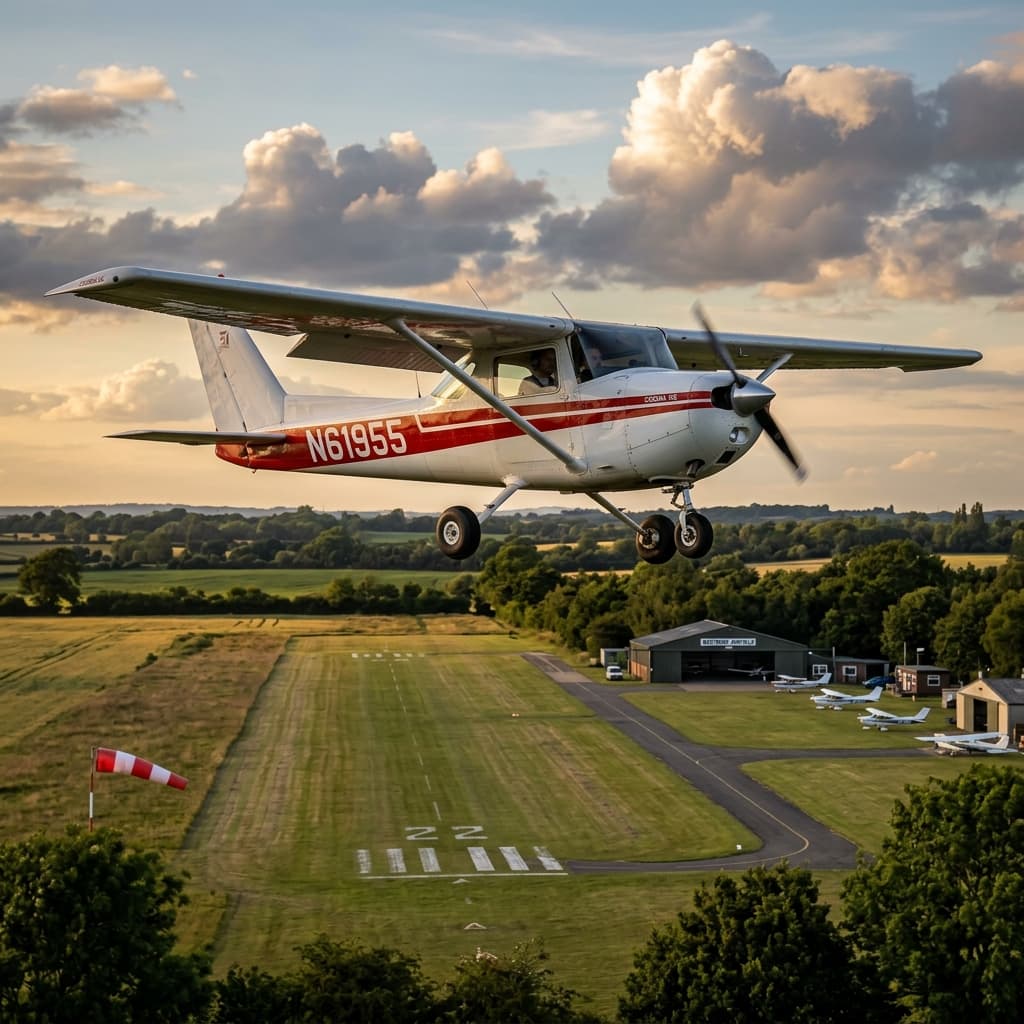
The classic primary trainer that taught millions to fly. Its light weight makes handling the wind a core skill every student pilot must master early.
Understanding the Crosswind Component and Demonstrated Crosswind
The cessna 150 and 152 are among the most popular training aircraft ever built. For decades, student pilots have learned the fundamentals of crosswind handling in these light, high-wing machines. The demonstrated crosswind for both models is 12 kts, which represents the maximum crosswind component that was successfully landed in by factory test aviators during the original certification program.
It is essential to understand what the tested value actually means. This value is not a hard structural limit. Under FAA regulations, the certification process requires the manufacturer to record the highest direct crosswind in which the airplane was safely landed during testing. The result is published in the poh as the demonstrated crosswind value. A pilot is legally permitted to fly the plane in conditions that exceed this figure under Part 91, but doing so requires skill and experience that most student operators do not yet possess.
For a cessna 150 or c152, the 12-knot figure is relatively low compared to larger aircraft like the 172. This is a direct result of the airplane's light gross weight and smaller surfaces. When the wind picks up, the crosswind component acting on the fuselage can quickly overwhelm the available rudder authority, making it difficult to maintain the centerline during the crosswind landing roll.
Crosswind Landing Technique and Flight Training
Learning to handle a crosswind in a cessna 150 or 152 is a rite of passage for every student pilot. The standard technique involves using the crab method on final approach to maintain the runway track, then transitioning to a wing-low slip just before touchdown. The operator lowers the upwind wing with aileron input while applying opposite rudder to keep the nose aligned with the runway.
In the crosswind landing, the goal is to touch the upwind main wheel first, followed by the downwind wheel, and finally the nose gear. This requires precise coordination and constant adjustment as the wind shifts on short final. If the crosswind component is gusting, the task becomes even more demanding. Many instructors recommend adding half the gust factor to your approach speed to provide a safety margin against sudden windspeed changes.
A common mistake among new operators is relaxing the inputs after the main gear touches the runway. In a light plane like the 150, the wind will immediately try to weathervane the aircraft into the breeze. Full aileron deflection into the wind must be maintained throughout the entire rollout, and the rudder must be used actively to keep the airplane tracking straight down the runway. Failing to maintain these inputs is a leading cause of runway excursions in light trainers.
FAA Certification and the Crosswind Value
The FAA certification basis for the crosswind value is defined in the airworthiness standards. During the testing flight program, factory pilots attempted crosswind landings in progressively stronger wind conditions. The highest crosswind component at which they successfully landed was recorded as the demonstrated crosswind. For the 150 and 152, this came out to 12 knots.
This does not mean the plane cannot handle more than 12 kts. It simply means that 12 knots was the strongest crosswind available on the day of testing. Many experienced pilots have safely landed these aircraft in crosswinds well above the published value. However, the poh serves as a strong recommendation, and treating it as a personal limit is sound aeronautical decision-making — especially for a student or low-time pilot.
The cessna 172, by comparison, has a tested value of 15 kts. The additional three knots reflects the heavier airframe and larger rudder area of the bigger aircraft. For a student transitioning from the 150 to the 172, this increase feels significant because the airplane is more stable and responds less aggressively to gusting conditions.
Practical Crosswind Flight Operations
On a windy day at the local airfield, the crosswind component must be calculated before every flight. The tower or AWOS will broadcast the wind direction and speed in knots. Using the angle between the wind and the runway heading, the aviator can determine the actual crosswind component and compare it to their personal xwind limit. If the crosswind exceeds what they are comfortable with, the correct decision is to wait or divert.
Many cfis and instructors encourage their students to start with a personal crosswind limit well below the demonstrated crosswind value. A new pilot might begin with a five-knot xwind limit and gradually increase it as they fly more hours and gain confidence. This progressive approach builds solid muscle memory and prevents the student from being overwhelmed by a challenging crosswind landing.
On particularly windy days when gusts are reported, the effective crosswind can spike well above the steady-state value. A report of 10 knots gusting 18 means the crosswind component could momentarily reach values far beyond the 12-knot demonstrated crosswind. For a light plane like the cessna 150, these conditions are genuinely hazardous and should be avoided by all but the most experienced operators.
Handling Characteristics and Exceeded Limits
The crosswind behavior of the cessna 150 and 152 is well-documented. As the crosswind component increases, the pilot needs progressively more rudder and aileron to maintain alignment. At around 10 kts of crosswind, most of the available rudder travel is being used. Beyond 12 knots, you may literally run out of rudder authority.
The stalling speed of the 150 in landing configuration is approximately 42 kts. At these low speeds, the control surfaces are less effective, which compounds the challenge. If the crosswind is strong and the airplane is slow, the pilot faces a situation where there simply isn't enough aerodynamic authority to keep the plane on the runway. This is why the stalling speed and the crosswind threshold are fundamentally linked.
Flap selection also matters. Many instructors recommend using reduced flap settings in strong crosswinds to maintain a higher approach speed and better control response. With full flaps, the aircraft is slower and more susceptible to gust-induced speed fluctuations. A reduced-setting crosswind approach provides a better margin and gives the pilot more energy to work with during the flare and rollout.
Whether you have landed in a crab or a slip, the key is maintaining runway centerline discipline. Every flight in windy conditions is an opportunity to sharpen your skills. Consult your cfi for guidance on building your personal crosswind proficiency, and always check the latest wind report before committing to the approach. The cessna 150 and its later versions reward careful, disciplined airmanship — and they are unforgiving when the xwind is ignored. Safe aviation starts with understanding the crosswind component and respecting the demonstrated crosswind value published in the handbook.
Important Disclaimer: The calculated results and limits provided by this tool are for reference and educational purposes only. They are not a substitute for official flight manuals, pilot operating handbooks (POH), or professional flight instruction. Always compute your own values and consult official documentation to ensure safe flight operations. The creator assumes no liability for the accuracy or use of this tool.